
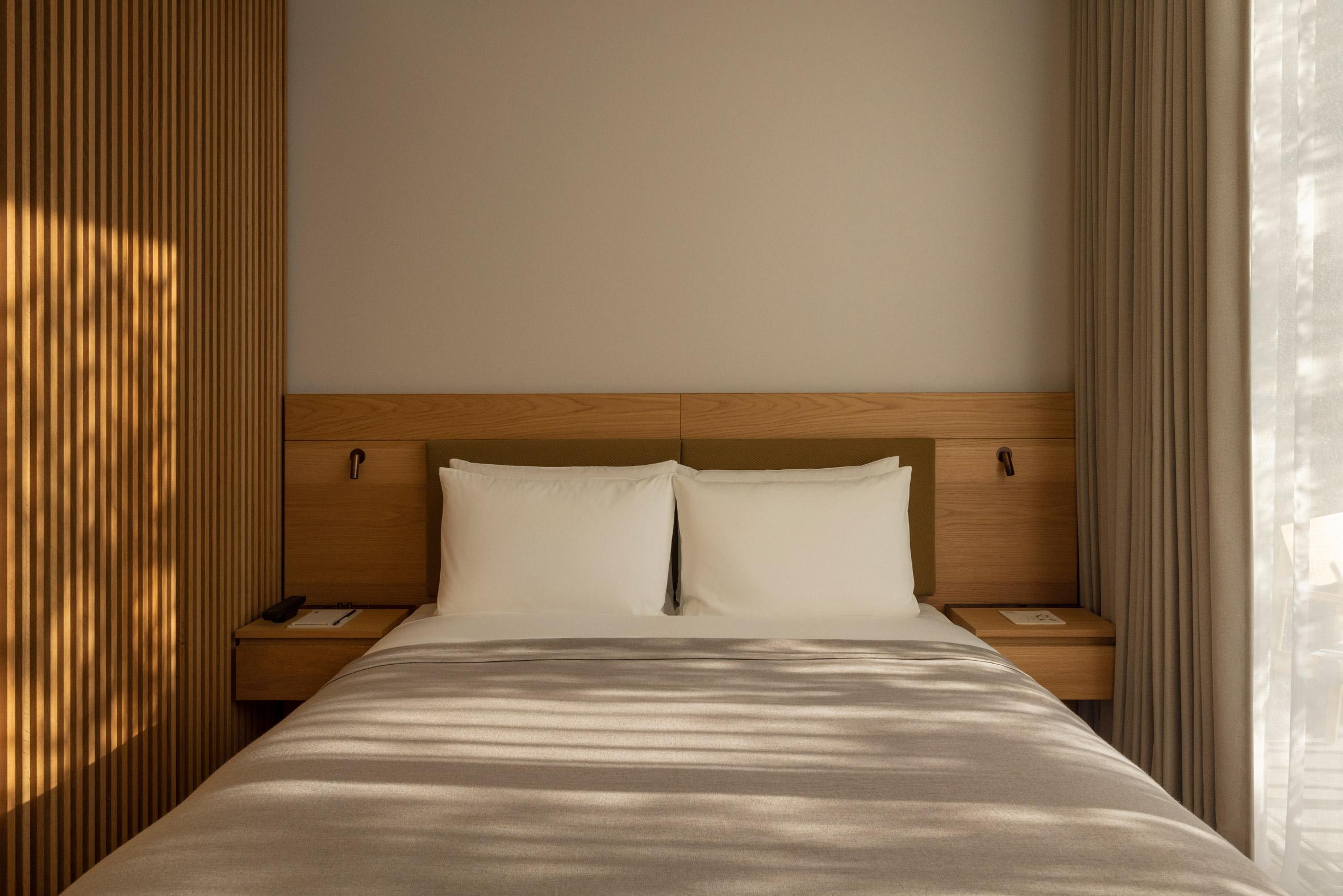
Beyond what the eye can see, hospitality experiences are shaped by the sounds, scents, light and textures that evoke emotions, awaken memories, and turn thoughtfully designed spaces into lasting impressions.
Hospitality has always been about creating experiences that guests remember. While architecture, interior aesthetics, and visual identity often shape the first impression of a hotel or resort, the most meaningful experiences are rarely defined by what guests see alone. They are equally influenced by the gentle sound of water, the familiar scent of a space, the warmth of carefully composed lighting, and the tactile qualities of the materials surrounding them.
As travellers increasingly seek meaningful connections, personal comfort, and experiences that extend beyond conventional luxury, multi-sensory design is becoming an important consideration in contemporary hospitality. Rather than treating sensory elements as finishing touches, forward-thinking properties are integrating them into the foundation of their design philosophy, creating environments that engage the senses and establish deeper emotional connections with guests.
Beyond Visual Appeal: Designing an Experience That Can Be Felt
A beautifully designed lobby may capture attention, but its atmosphere is shaped by much more than its visual composition. The acoustics of the room, the temperature of the lighting, the fragrance in the air, and the materials beneath one's fingertips all contribute to how a guest perceives and responds to the environment.
This approach reflects a broader evolution in hospitality design: moving from spaces that simply look impressive towards environments that feel distinctive, comfortable, and emotionally engaging. Each sensory element has the potential to influence the guest journey, from the first moments of arrival to the quiet experience of returning to a room after a long day.
More importantly, these elements work together. A wellness retreat might combine natural sounds, soft illumination, botanical fragrances, and organic materials to establish a sense of tranquillity. Meanwhile, an urban lifestyle hotel could use carefully curated music, expressive lighting, and distinctive textures to create a more energetic identity. The objective is not to stimulate every sense simultaneously, but to establish a coherent atmosphere that reflects the property's character and the experience it promises.
Sound: Creating Atmosphere Through What Guests Hear
Sound is one of the most powerful yet frequently overlooked dimensions of hospitality design. Background music, natural soundscapes, acoustic treatments, and even the rhythm of everyday activities can influence how guests experience a space.
In a hotel lobby, carefully selected music can establish a welcoming atmosphere without competing with conversation. In restaurants and lounges, acoustic planning can create intimacy, allowing guests to enjoy their surroundings without unnecessary noise. At resorts, the natural environment itself can become part of the experience, with waves, birdsong, and flowing water contributing to a distinctive sense of place.
A compelling example can be found at InterContinental Danang Sun Peninsula Resort in Vietnam, where architecture and landscape work together to amplify the sounds of nature. Set within the forested environment of Son Tra Peninsula, the resort incorporates the sounds of waterfalls, birdsong, and ocean waves into its wider wellness experience. Its distinctive architecture, designed by Bill Bensley, also considers how curves, terraces, and vaulted ceilings interact with the surrounding soundscape.
This approach demonstrates that sound does not always require an elaborate technological installation. Sometimes, the most effective sound design comes from understanding the natural environment and allowing it to become an integral part of the guest experience.
Scent: Building Emotional Connections Through Fragrance
Among the senses, smell has a particularly intimate relationship with memory and emotion. A distinctive fragrance can make a space immediately recognizable, reinforce a hotel's personality, and create an association that guests may carry long after their stay.
In hospitality, scent can be introduced through subtle lobby fragrances, botanical gardens, spa environments, guestroom amenities, or the natural aromas of local ingredients. The most effective approach is one that feels authentic to the property rather than simply imposing a generic signature fragrance.
At Fairmont Singapore, sensory branding has been developed across multiple guest-facing environments through a combination of curated music and fragrance. One notable example is Prego, the hotel's Italian restaurant, which introduced a bespoke Sicilian orange-inspired scent as part of its 2024 renovation. Integrated into the entrance and reception environment, the fragrance complements the restaurant's Italian garden-inspired interior and helps establish a more cohesive arrival experience.
Such applications illustrate how scent can extend the identity of a hospitality venue beyond its visual presentation. Nevertheless, thoughtful implementation is essential. Fragrances should remain subtle, appropriate to the setting, and considerate of guests with sensitivities or allergies. A memorable atmosphere should never come at the expense of comfort.
Light: Shaping Mood, Movement, and the Rhythm of a Stay
Lighting has the ability to transform the same physical environment throughout the day. Morning daylight can make a space feel open and energizing, while warmer, lower illumination in the evening can encourage relaxation and intimacy.
In hospitality, effective lighting design goes beyond brightness. It considers how natural light enters a building, how artificial illumination highlights architectural features, and how different lighting layers support specific activities. Guestrooms benefit from flexible lighting that accommodates both productivity and rest, while restaurants and lounges can use focused illumination to create distinct atmospheres.
TRUNK (HOTEL) YOYOGI PARK in Tokyo, Japan demonstrates how carefully considered lighting can reinforce an interior's material character. Developed through the collaboration of Keiji Ashizawa Design and Norm Architects, the property combines understated forms with thoughtfully selected materials. Its lighting concept uses recessed fixtures, low pendant lamps, and concealed illumination to create intimate pools of light, highlighting timber, stone, and handcrafted details rather than relying on uniform brightness.
Lighting can become an architectural language in its own right, guiding movement, revealing details, and shaping the emotional character of a destination.
Texture: Bringing Authenticity and Character into the Guest Experience
While sight and sound often establish the initial atmosphere of a hospitality space, texture creates a more immediate physical connection. The sensation of natural stone, handcrafted timber, woven fabrics, textured plaster, or locally produced ceramics can make an environment feel distinctive and grounded.
Material selection also communicates a property's relationship with its surroundings. In destinations where cultural heritage and craftsmanship are central to the identity of a place, incorporating local materials and artisanal techniques can give interiors a stronger sense of authenticity.
Puinn Hotel on Weizhou Island, Guangxi, China offers an intriguing example of how local geology can inspire hospitality design. Drawing from the island's volcanic landscape, the retreat incorporates natural stone, travertine, timber, and woven furnishings to create a rich tactile environment. Its cave-inspired spaces and understated finishes translate the character of the surrounding landscape into a contemporary guest experience, representing how material choices can establish a meaningful connection between a property and its destination.
Beyond aesthetics, tactile design has practical implications. Comfortable upholstery, breathable fabrics, natural finishes, and thoughtfully selected flooring can improve usability and contribute to a welcoming environment. The objective is to balance visual refinement with physical comfort, ensuring that materials are as pleasant to experience as they are to admire.
The Art of Bringing Every Sense Together
The true potential of multi-sensory hospitality design lies in the relationship between its individual elements. Sound, scent, light, and texture should not operate as isolated features, but as interconnected expressions of a property's identity.
This requires a more holistic approach to design, involving architects, interior designers, lighting specialists, acoustic consultants, landscape designers, and hospitality operators from the early stages of a project. Decisions should also consider different guest expectations, accessibility, cultural sensitivities, environmental impact, and long-term operational requirements.
Equally important is the ability to exercise restraint. A successful sensory environment does not overwhelm its visitors with fragrance, music, dramatic illumination, or excessive decorative detail. Instead, it understands when to engage the senses and when to allow space for quietness, simplicity, and personal interpretation.
Ultimately, exceptional hospitality is not measured solely by the beauty of a building or the sophistication of its interiors. It is reflected in how a destination makes people feel, how naturally they connect with their surroundings, and how vividly they remember the experience afterwards.
Designing for the senses offers an opportunity to create more thoughtful, distinctive, and emotionally resonant destinations. These are the spaces that move beyond accommodation to become experiences worth remembering.
Celebrating Excellence in Hospitality Design with the 2027 AHA
At the 2027 Asia Hospitality Awards, excellence in hospitality is honored through a broader appreciation of the qualities that make a destination truly outstanding. From Hotels and Resorts to Lifestyle & Wellness, Cruise & Yacht and Special Achievement, AHA celebrates hospitality businesses that demonstrate authenticity, quality, innovation, and meaningful contributions to the industry.
As the 2027 season is now Open for Entry, hotels, resorts, hospitality brands, and outstanding industry professionals across Asia are invited to present their achievements to an international platform of recognition. Whether through visionary architecture, distinctive design concepts, thoughtful guest experiences, or innovative approaches to hospitality, every exceptional contribution has a story worth sharing.
Discover the 2027 Asia Hospitality Awards and submit your nomination today: https://ahawards.co/registration