
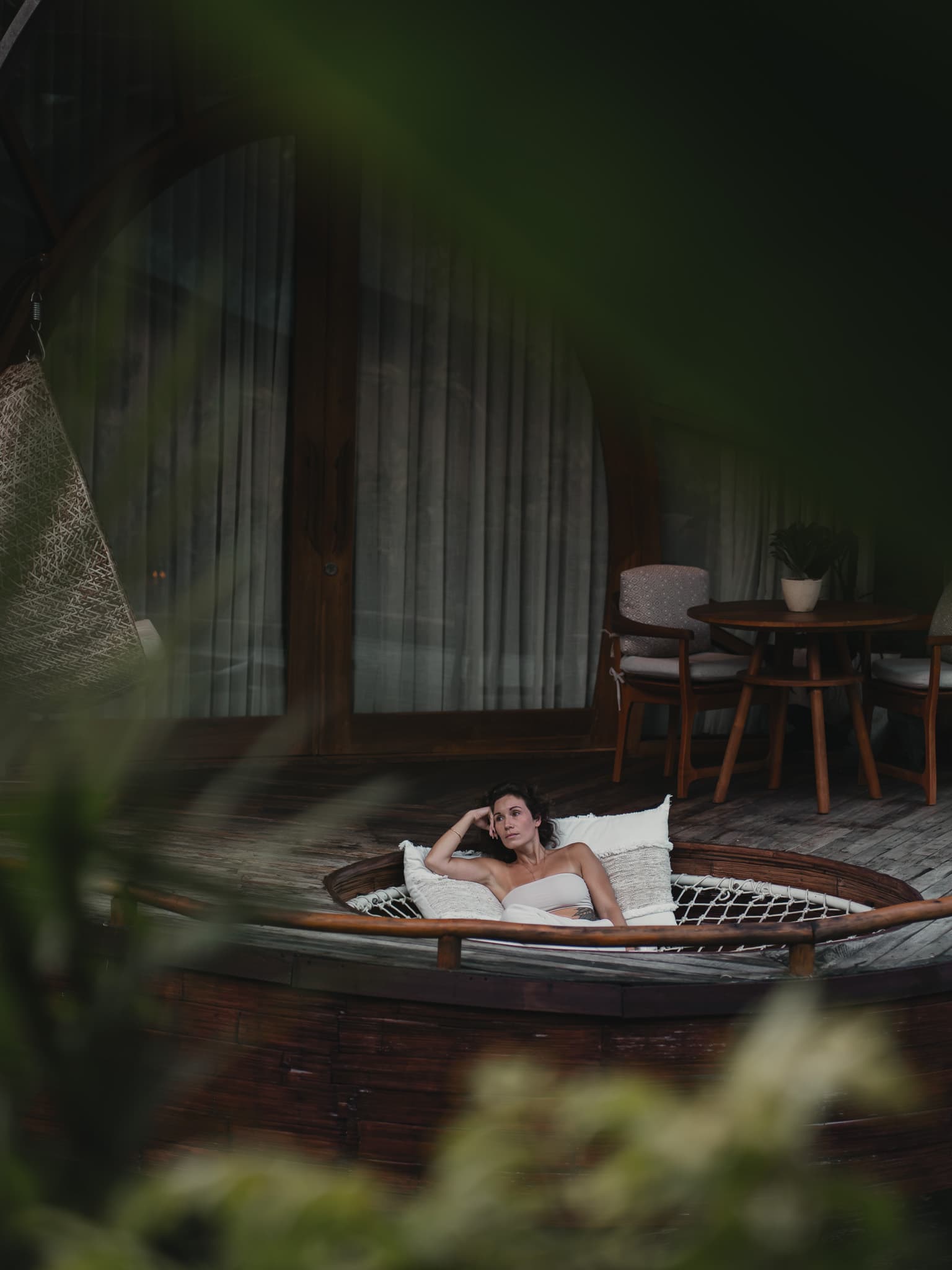
Guests forgive a missed amenity, not a broken night. Treat sleep as a product with specs: noise, light, air, and control. Then prove it the way AHA juries can read.
Breakfast builds loyalty, but night wins (or loses) the stay. Guests rarely articulate why; they just know whether their brain was allowed to switch off. The properties that rank highest treat sleep as a product—with specs, routines, and a short list of numbers that let teams improve week by week.
The Night Index — four specs you can train and measure
1) Noise (N) — keep voices private
- Design: absorptive ceilings at lobby/corridors; soft‑close hardware; decoupled plant; service routes away from headboards.
- Ops: night‑mode wheels, doors, and BOH paths; volume caps after 22:00.
- Measure: dB snapshots by zone/hour; night‑ticket counts; “quiet/restful” in reviews.
2) Light (L) — remove sparkle, keep orientation
- Design: blackout with side channels; warm bedside task light; shielded corridor sources.
- Ops: evening scene rounds (remove glare, dim wayfinding); curtain preset at turndown.
- Measure: lux at pillow & corridor; reduction in “light leak/glare” mentions.
3) Air (A) — temperature + gentle movement
- Design: avoid drafts at head; choose fans for tone, not just CFM; mixed‑mode where climate allows.
- Ops: sanity setpoints; quietly check filters & seals on problem stacks.
- Measure: temp drift at headboard; airspeed in 0.2–0.5 m/s band; “stuffy/dry” mentions down.
4) Control (C) — no puzzles at midnight
- Design: a master that behaves like one; labelled bedside toggles; intuitive curtain control.
- Ops: “30‑second mystery‑shop” each room stack; fix high‑friction layouts.
- Measure: first‑10‑minute call‑outs for controls; review language “easy/simple.”
Night Index = N + L + A + C (each scored weekly from quick audits + ticket data). Set a baseline, improve one variable per week, and publish the tiny wins to the team.
Training the night (service that feels human)
- Two‑minute turndown audit: blackout closed, bedside warm, pathway low‑glare, thermostat sensible.
- Quiet pass: carts routed; hinges/rollers checked; plant noise timed against sleep windows.
- Reassurance language: one line delivered softly—“We’ve set the room for quiet; if light or noise bothers you, I’ll fix it tonight.”
- Recovery play: if a disturbance occurs, fix cause first (source removed or rerouted) then offer a micro‑gesture (tea, late checkout)—no theatre.
Enter AHA 2026 — Asia Hospitality Awards: https://ahawards.co/registration